When to call an electrician for electrical issues
Understanding when to call an electrician for electrical issues is critical for ensuring the safety and functionality of your home. If you experience frequent circuit breaks, buzzing sounds, or unusual odors from outlets, it is essential to engage a qualified electrician immediately.
Identifying warning signs
Familiarizing yourself with warning signs can help you know when to seek professional help. Some indicators include:
- Frequent circuit breaker trips: If your circuit breakers trip regularly, it signals an overload or a short circuit. This may indicate a need for additional circuits or an upgrade.
- Flickering or dimming lights: Lights that flicker can reflect wiring issues or an overloaded circuit. If switching bulbs doesn’t resolve this, a professional electrician can provide insights.
- Burning smell or scorch marks: The presence of a burning odor or scorch marks near outlets and switches signals severe electrical issues. These are signs of overheating wires and warrant an immediate call for help.
- Buzzing or humming noises: Unusual sounds from outlets or light fixtures suggest that there's an issue with the wiring or another component. It's best to consult an electrician to avoid severe damage or a potential fire hazard.
Understanding DIY limits
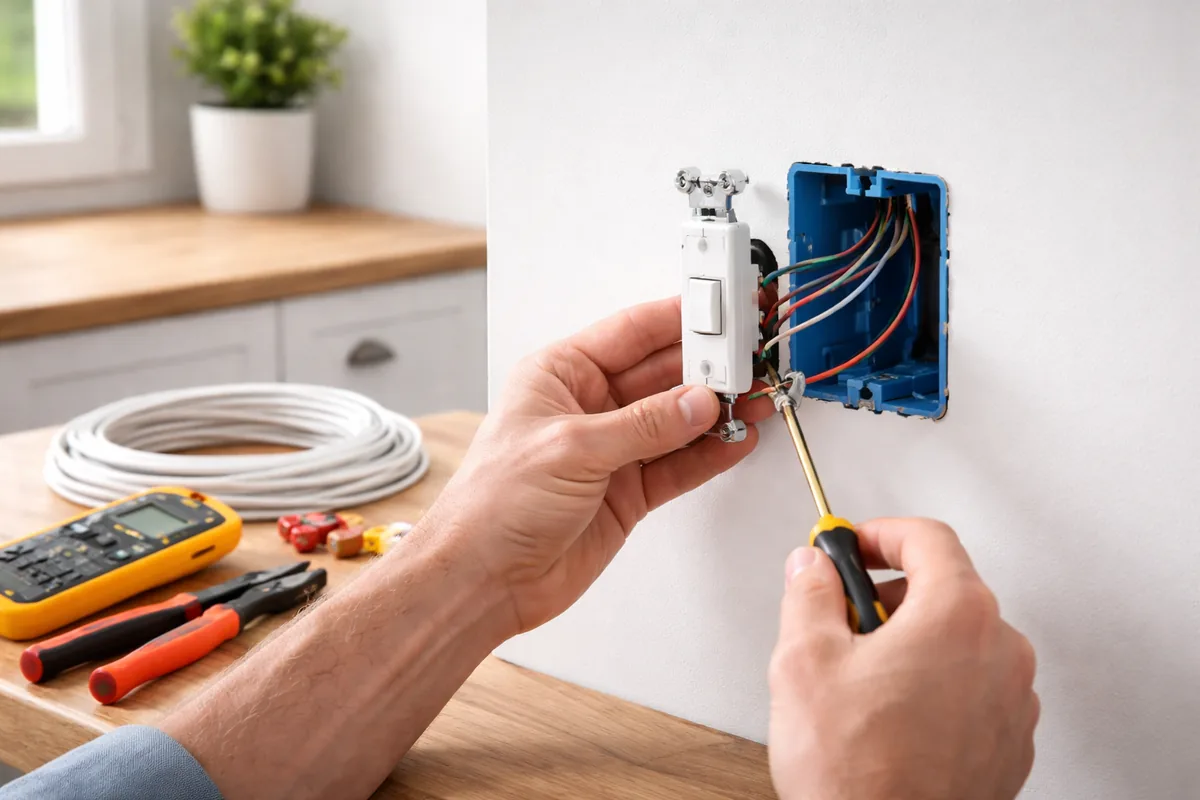
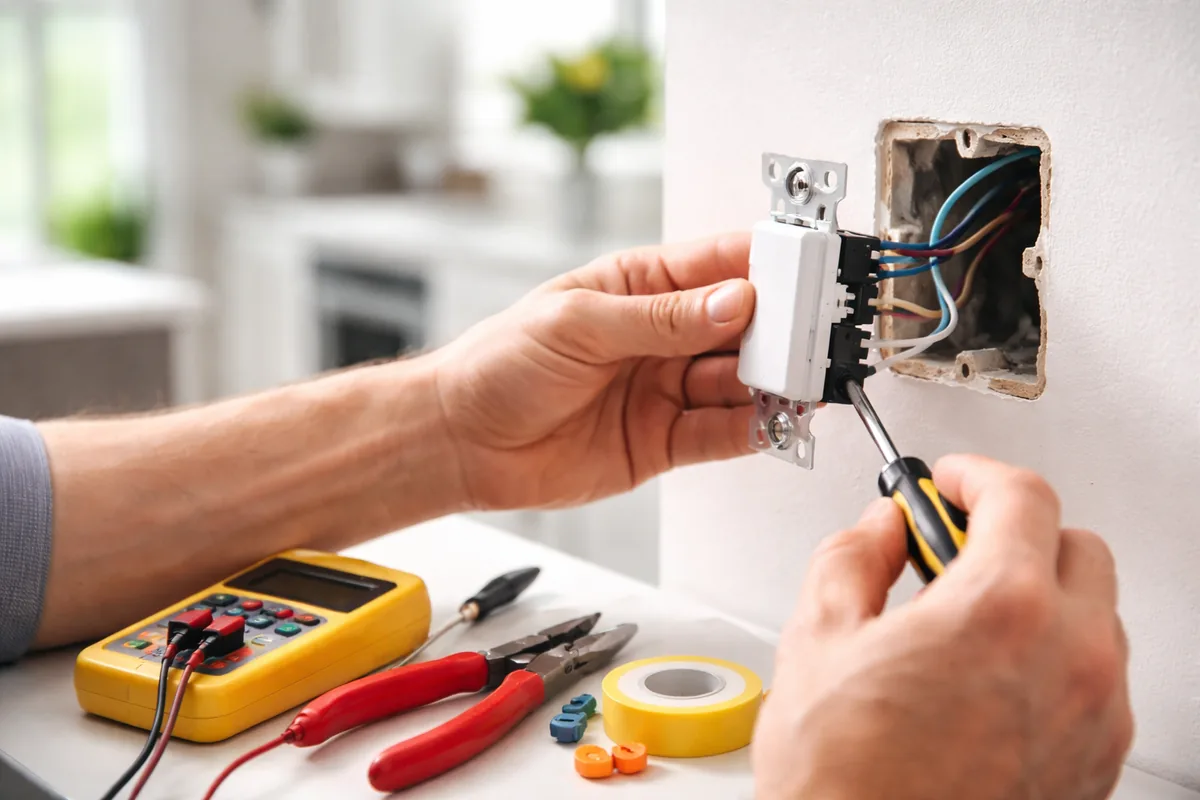
While many household tasks can be handled through DIY methods, electrical work often requires professional expertise. Basic tasks such as changing a light bulb or replacing a switch can be managed independently, but when it comes to wiring or high-voltage systems, your safety is compromised without proper training. Attempting complicated electrical repairs can lead to further issues, so knowing your limits is crucial.
Specific situations requiring an electrician
There are several scenarios where calling an electrician is not just recommended but necessary:
- Home renovations: If you’re planning a remodel that involves electrical work, hiring an electrician ensures the project aligns with local regulations and safety standards.
- New appliance installation: Large appliances often require dedicated circuits. An electrician can ensure they are properly installed without causing overloads.
- Older wiring systems: Homes with older electrical systems may require updates to meet modern electrical standards. An electrician will assess the existing system and recommend necessary improvements.
- Outdated circuit breakers: If your home still uses fuses, this is a sign that you may need to upgrade to circuit breakers for safety and efficiency.
The importance of hiring a licensed electrician
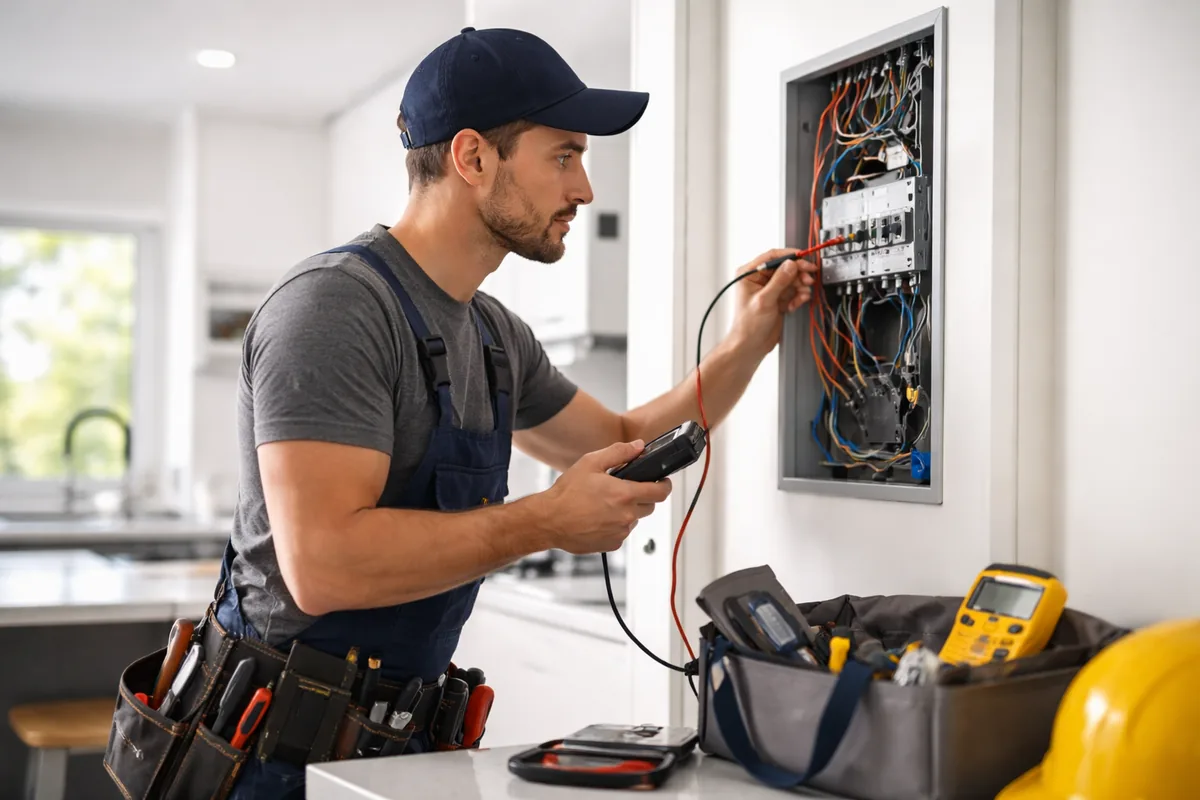
Hiring a licensed electrician provides peace of mind due to their training and experience. Licensed professionals are aware of the latest electrical codes and practices necessary for safe home installations and repairs. Attempting electrical tasks without a licensed expert can result in code violations and safety hazards, which may reduce your home's resale value.
Cost considerations
While the cost of hiring an electrician can vary widely based on location, complexity of the job, and the electrician's expertise, it is often an investment in safety and quality. Most electricians charge an hourly rate, which can range from $50 to $150 per hour depending on the region and specialization. In more complex cases, a flat fee may be provided. Understanding the financial implications should factor into your decision process.
Safety first: Personal safety measures
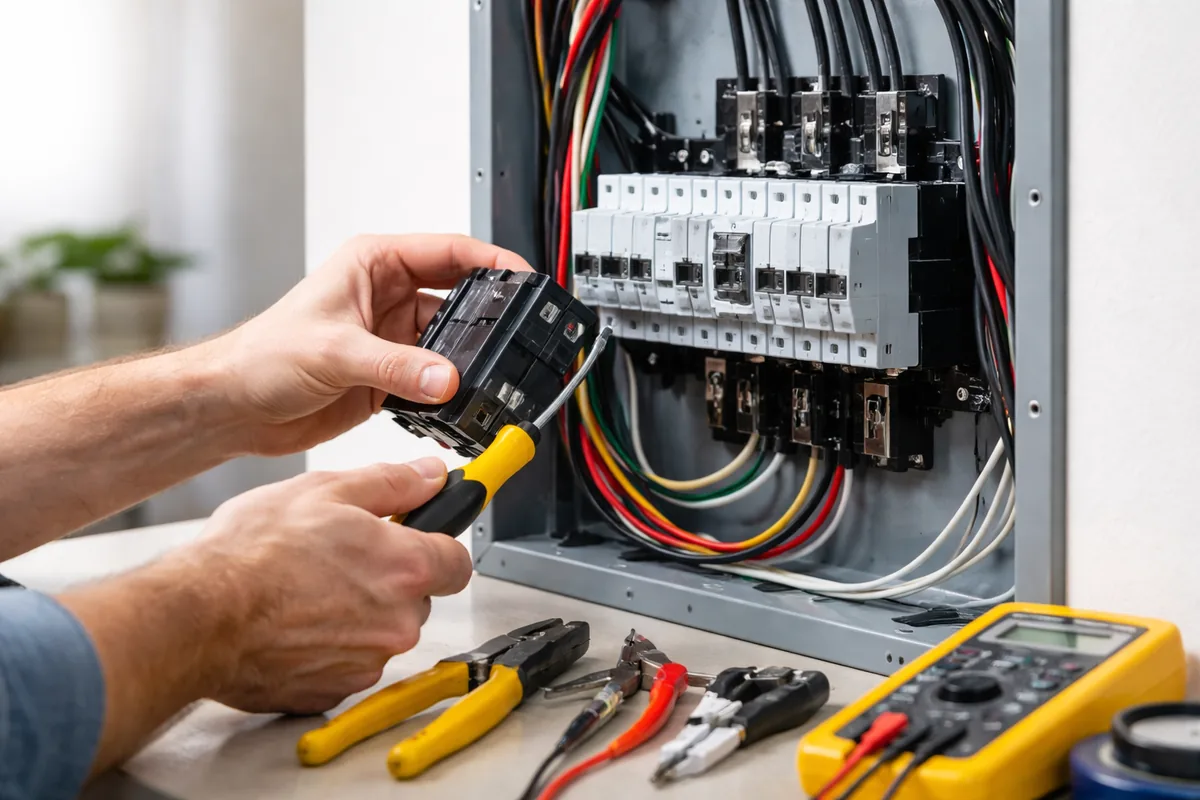
If you suspect an electrical issue, prioritizing safety is paramount. Before calling an electrician, ensure you turn off power at the breaker box. This helps to prevent further damage or personal injury while waiting for professional assistance. Always keep a fire extinguisher rated for electrical fires nearby, as this can be a critical safety tool in emergencies.
| Warning Sign | Potential Issue | Action Required |
|---|---|---|
| Frequent breaker trips | Overloaded circuits or short circuit | Call an electrician for assessment |
| Flickering lights | Wiring issues or circuit overload | Professional inspection needed |
| Burning smell | Overheating wiring | Immediate electrician call recommended |
| Buzzing sounds | Faulty wiring or components | Do not attempt DIY, call a pro |
FAQ
What are common electrical issues that require an electrician?
Common electrical issues include frequent circuit breaker trips, flickering lights, and burning odors from outlets. Each could indicate a serious underlying problem.
Can I call an electrician for a small problem?
Yes, no problem is too small. If you feel uncomfortable or unsure about any electrical issue, calling an electrician is advisable.
How can I find a qualified electrician?
Ask for recommendations from friends and family, check online reviews, and ensure the electrician holds a valid license and insurance.
What should I ask an electrician before hiring?
Ask about their experience, licensing, insurance, and written estimates. Confirm that they follow local building codes.
Are there DIY electrical repairs I can make?
You can handle basic tasks, like changing light bulbs or replacing outlets, but for any major work, it's best to hire an electrician to avoid safety hazards.