Can you use outdoor extension cords indoors safely
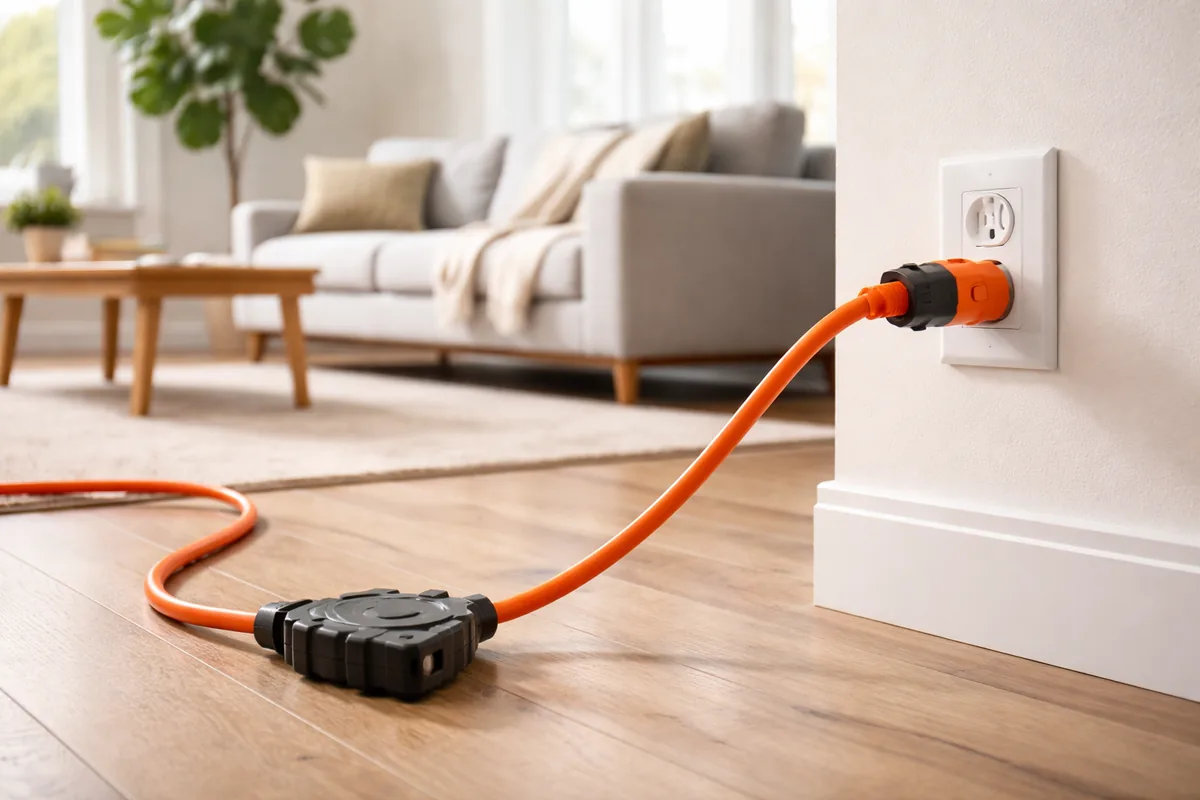
Using outdoor extension cords indoors is generally not recommended due to safety concerns. Outdoor cords are designed to withstand harsh weather conditions and higher temperatures, but they may not meet the same safety standards as indoor cords. Therefore, while technically possible to use them indoors, it carries risks that every homeowner should consider.
Understanding the construction of extension cords
Extension cords are made up of several components, primarily the conductors (usually copper), insulation, and sheathing. Outdoor extension cords are built to be more robust, with thicker insulation and a rugged outer layer that protects against moisture, UV rays, and temperature extremes. This construction is beneficial in outdoor conditions but may make them less flexible and versatile for indoor use. Indoor extension cords have thinner insulation and are designed for more controlled environments, making them suitable for general household use.
Potential risks of using outdoor extension cords indoors
Using outdoor extension cords indoors can expose you to several risks:
- Electrocution hazard: If the outdoor cord sustains any damage or gets wet, it poses a serious electrocution risk indoors.
- Fire risk: The thicker insulation can cause the cord to overheat when used in a smaller, enclosed indoor space, increasing the potential for electrical fires.
- Trip hazard: Outdoor cords are typically longer and bulkier, which may create tripping hazards in your home.
- Non-UL certifications: Many outdoor cords may not have the same Underwriters Laboratories (UL) certification as indoor cords, which indicates they have met specific safety standards for indoor use.
When might using outdoor cords indoors be acceptable?
There are a few scenarios where you might consider using outdoor extension cords indoors, although caution should always be practiced. If you’re in need of a temporary solution for a specific event or occasion, using an outdoor cord might suffice provided the following conditions are met:
- The cord is in pristine condition without damage or exposure to water.
- The cord is kept in a well-ventilated area, away from heat sources.
- You ensure the cord is not overloaded with electricity beyond its rated capacity.
Best practices for using extension cords indoors
If you need to use extension cords indoors, follow these best practices to ensure safety:
- Select the right cord: Always choose an indoor-rated extension cord for indoor use. These cords are designed to handle the current loads typical in homes without risk.
- Avoid daisy-chaining: Never connect multiple extension cords together (a practice known as daisy-chaining) as this can lead to overheating.
- Use surge protectors: Whenever using electronic devices, consider using surge protectors to guard against power surges and electrical spikes.
- Limit usage: Use extension cords for temporary needs only. Long-term solutions should involve permanent electrical outlets.
Choosing the right extension cord
When selecting an extension cord, there are several key characteristics to consider:
| Feature | Indoor Extension Cord | Outdoor Extension Cord |
|---|---|---|
| Insulation | Thin, less durable | Thick, rugged |
| Flexibility | More flexible | Less flexible |
| UV resistance | No | Yes |
| Temperature tolerance | Lower | Higher |
| Usage purpose | General household use | Rugged outdoor use |
The table above illustrates the distinctive features that characterize indoor versus outdoor extension cords. When attempting to choose the right cord for indoor use, consider the unique requirements of the appliances you plan to power.
Alternative solutions to extension cords
Instead of relying on extension cords, particularly for indoor use, consider permanent alternatives for better safety and efficiency:
- Install additional outlets: If you frequently find yourself needing more outlets in a particular area, consult a licensed electrician to install additional wall outlets for a more permanent solution.
- Use power strips: High-quality power strips equipped with surge protection can efficiently distribute power without the risks associated with extension cords.
- Opt for furniture with built-in outlets: Many modern furniture pieces, such as desks and headboards, now come designed with integrated power outlets for convenience.
Proper storage and maintenance of extension cords
When not in use, proper storage and maintenance of extension cords can help extend their lifespan:
- Store cords in a cool, dry place to prevent damage to the insulation.
- Always coil cords neatly to prevent kinks and tangles that could lead to wear over time.
- Avoid exposing cords to elements like water, heat sources, or sharp objects that could cause damage.
FAQ
What are the differences between indoor and outdoor extension cords?
Indoor extension cords have thinner insulation, are more flexible, and are generally suited for controlled environments, while outdoor extension cords feature thicker insulation, are designed to withstand elements, and have higher temperature tolerances.
Can I use an outdoor extension cord for indoor holiday decorations?
It is safer to use indoor-rated extension cords for holiday decorations to avoid risks of overheating and fire hazards.
How do I know if my extension cord is safe to use?
Check for visible damage, ensure it has the appropriate UL certification, and never overload it beyond its rated capacity to guarantee safety.
What should I do if my extension cord gets wet?
If your extension cord has been exposed to moisture, discontinue use immediately, allow it to dry completely, and inspect for any damage before considering reuse.
Is it safe to overload an extension cord?
No, overloading an extension cord can lead to overheating, which increases the risk of electrical fires. Always use cords within their specified wattage limits.