What tools do I need for basic electrical repairs
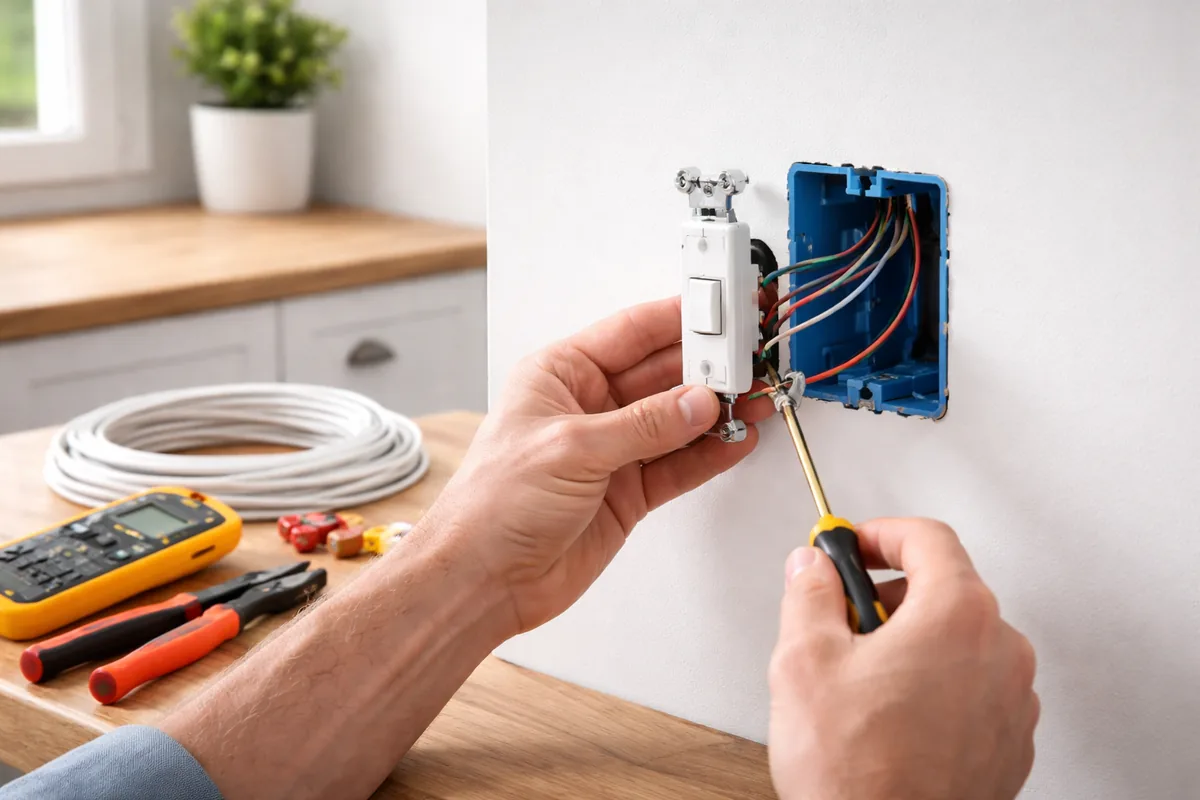
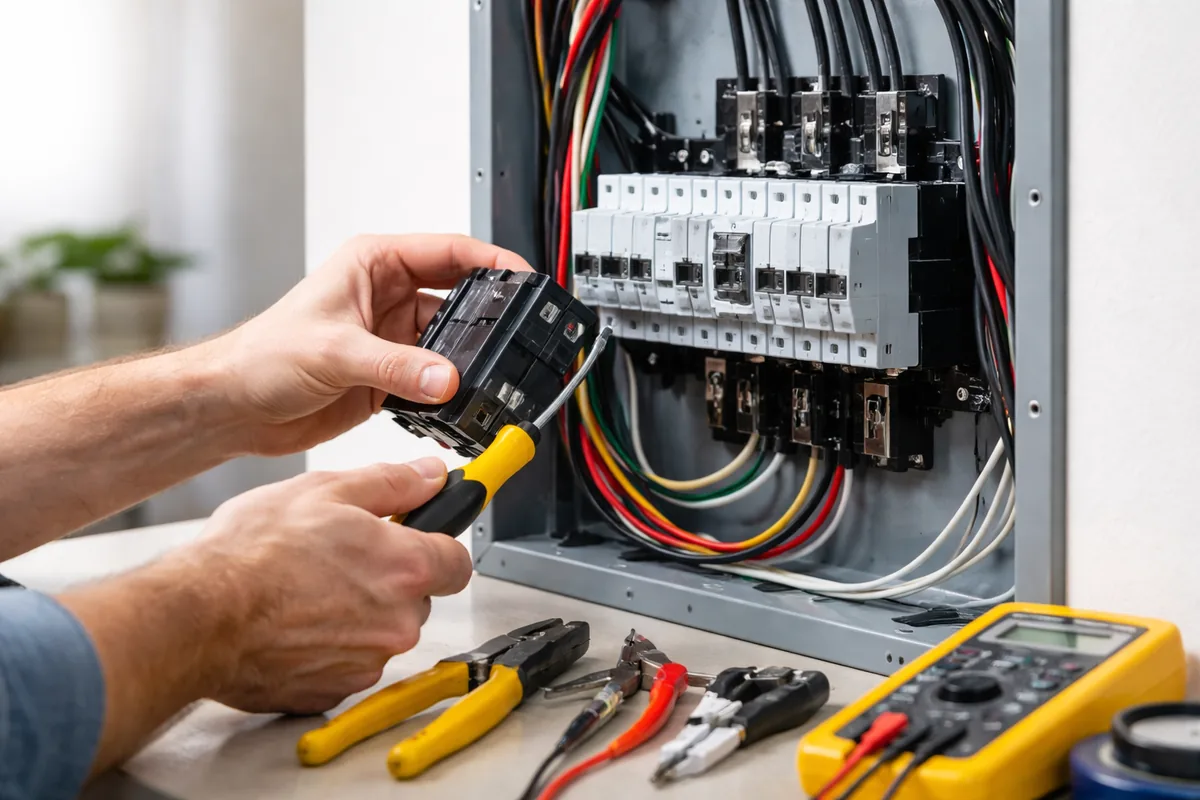
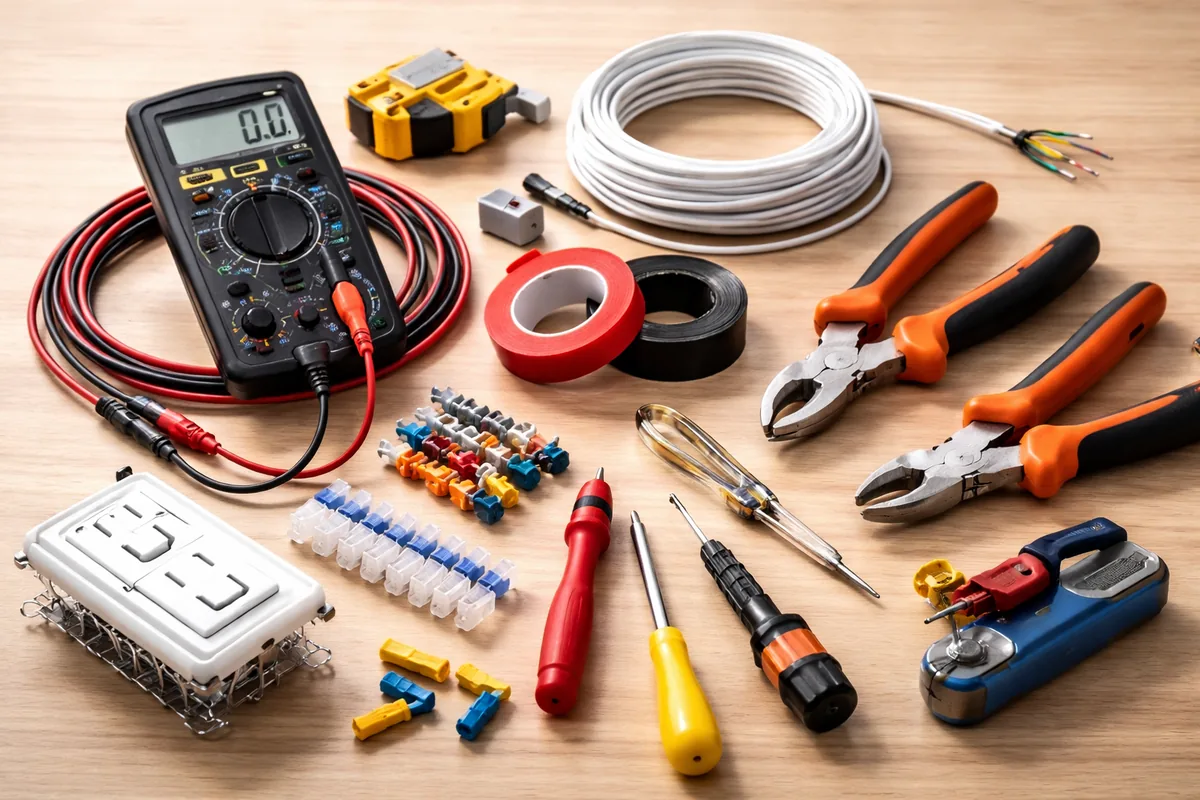
For basic electrical repairs, you will need a few essential tools to safely and efficiently address various home electrical issues. Key tools include screwdrivers, pliers, wire strippers, circuit testers, and multimeters. These tools are necessary for tasks such as replacing outlets, fixing light switches, and ensuring safe connections.
Screwdrivers
Screwdrivers are fundamental for any electrical repair. You will typically need both flathead and Phillips head screwdrivers. A flathead screwdriver is essential for devices that utilize slotted screws, while the Phillips head screwdriver will accommodate screws with a cross shape. Consider investing in a screwdriver set that offers various sizes to tackle different electrical components throughout your home. Magnetic screwdrivers can also be incredibly helpful to prevent losing screws during repairs.
Pliers
Having a good pair of pliers is vital for cutting and gripping wire and for connecting electrical components. Slip-joint pliers offer versatility, allowing you to adjust the size of the grip depending on what you’re working on. Needle-nose pliers are especially useful for reaching tight spaces which is often the case in electrical panels and junction boxes. It’s wise to choose pliers with insulation on the handles, ensuring safety while working with live wires.
Wire strippers
Wire strippers are essential for removing the insulation from electrical wires without damaging the metal conductors. A quality wire stripper will have multiple slots for different wire gauges, allowing you to strip wires cleanly and efficiently. This is especially important for creating connections safely and securely. Look for strippers that also have a cutting feature, making them dual-purpose tools that save space in your toolbox.
Circuit testers
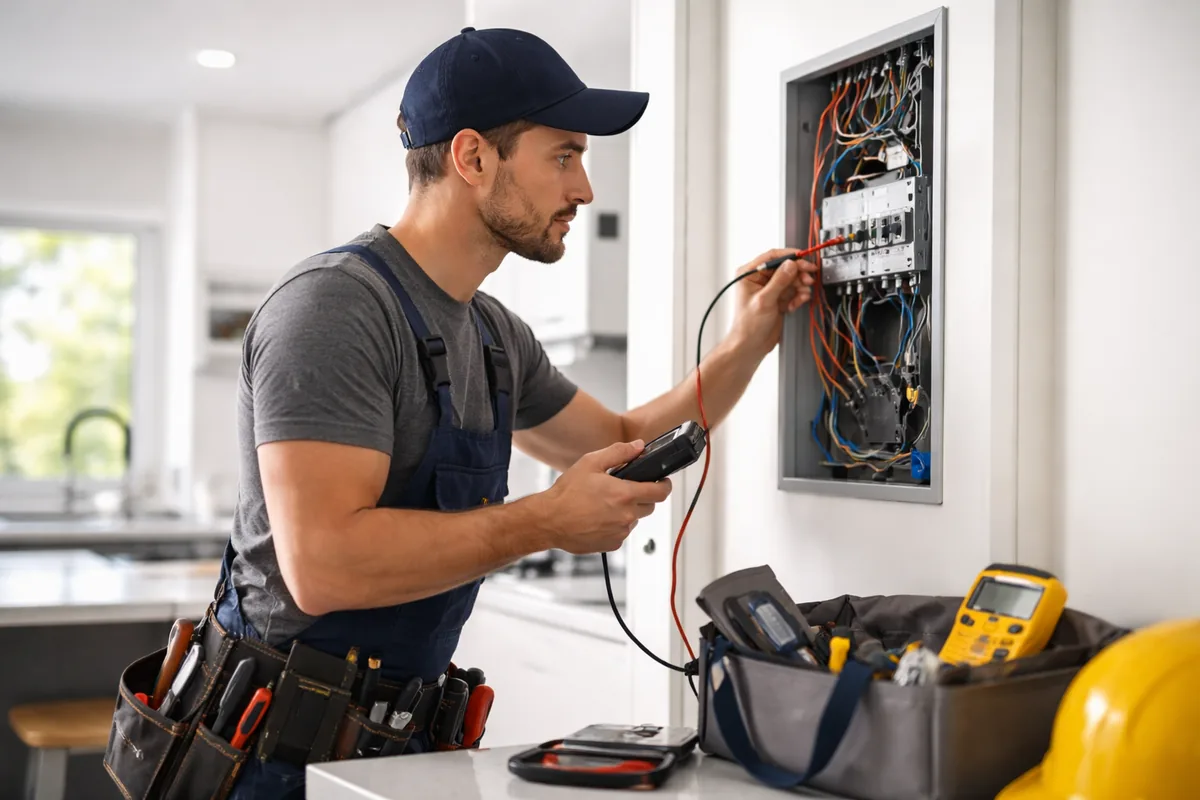
As a critical component of electrical work, circuit testers allow electricians and DIYers to verify that circuits are live before beginning repairs. There are several types available, including non-contact voltage testers and multimeters. Non-contact testers can detect voltage without making direct contact with wires, which enhances safety. Alternatively, a multimeter measures voltage, current, and resistance, providing detailed information about electrical circuits. Understanding how to use a circuit tester properly will help you avoid electrical shocks and ensure you are working on powered down circuits.
Multimeters
A multimeter is an invaluable tool that measures various electrical properties, including voltage, current, and resistance. It’s essential for diagnosing issues in electrical systems. A digital multimeter is user-friendly and offers precise measurements. Look for features like auto-ranging and backlit screens for ease of use. Knowing how to properly use a multimeter can enhance your ability to troubleshoot a variety of electrical problems, making it an essential part of your toolkit.
Electrical tape and connectors
Electrical tape and connectors are crucial for connecting wires safely and securing electrical connections. Electrical tape is an insulating tape that prevents short circuits when wrapping exposed wires. Ensure that you use high-quality, flame-retardant tape designed for electrical use. Additionally, wire connectors (often called wire nuts) allow you to join multiple wires together. These are available in various sizes and are color-coded for different wire gauges.
Testing and safety equipment
Safety should always be a priority when performing electrical repairs. It’s wise to invest in personal protective equipment (PPE) such as safety goggles and insulated gloves. These items protect you from potential hazards while working. Beyond PPE, consider having a first aid kit nearby. In case of any minor accidents, being prepared can make all the difference. Additionally, a simple flashlight can be helpful for illuminating dark areas, especially when working in basements or behind appliances.
The importance of having quality tools
Quality tools ensure safety and efficiency in your electrical repairs. Investing in reliable brands may cost more upfront but can save you time and money in the long run. Lower quality tools can lead to inaccurate measurements, having to purchase replacements, and potentially unsafe working conditions. When working with electricity, a good set of tools enhances your ability to make repairs confidently and effectively.
Tools storage and organization
Proper storage and organization of your electrical tools can significantly enhance your efficiency. Use a toolbox specifically designed for electrical tools, ensuring that all your essential items are easily accessible. Organizing tools by type or use, such as wire handling tools, testing tools, and cutting tools, will make it easier to locate what you need for a specific task. Additionally, consider labeling compartments or using tool organizers to keep everything in its place.
| Tool | Description | Purpose |
|---|---|---|
| Screwdrivers | Flathead and Phillips head types | Loosening or tightening screws |
| Pliers | Slip-joint and needle-nose | Gripping, cutting, and bending wire |
| Wire strippers | Multiple gauges for various wire sizes | Removing insulation from wires |
| Circuit testers | Non-contact voltage testers and multimeters | Verifying live circuits |
| Electrical tape | Insulating tape for wire connections | Preventing short circuits |
FAQ
What is the most essential tool for basic electrical repairs?
The most essential tool is typically a screwdriver set, as they are needed for opening electrical devices and outlets.
Do I need a multimeter for basic repairs?
While not mandatory, a multimeter is very helpful for diagnosing electrical issues and should be included in your toolkit.
Can I use regular tape instead of electrical tape?
No, regular tape does not have the same insulating properties and may not be safe for electrical applications.
How can I ensure my tools are safe to use?
Regularly inspect your tools for wear and tear and replace any that are damaged or worn to avoid accidents.
Is it necessary to wear gloves when working with electricity?
Yes, wearing insulated gloves greatly reduces the risk of electric shock and enhances safety.