What size wire is needed for a 200 amp service
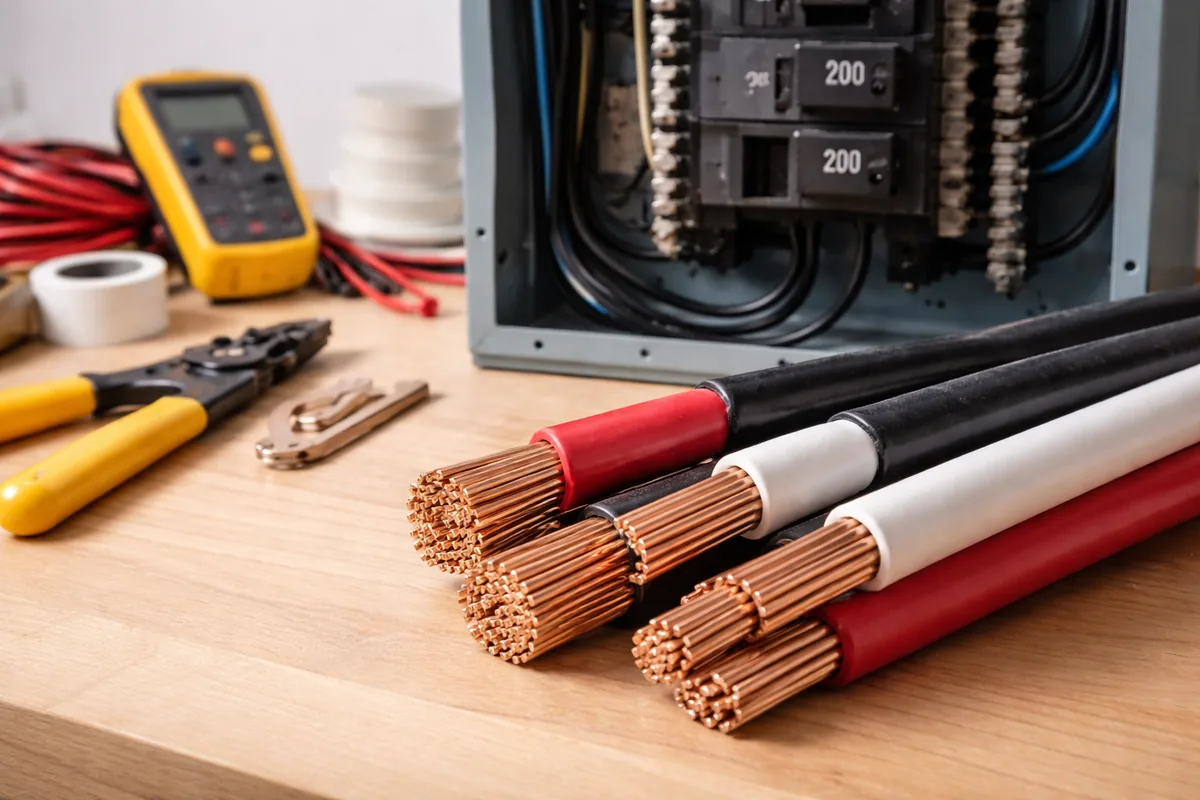
The wire size needed for a 200 amp service typically depends on several factors including the type of wire, the length of the run, and the specific installation conditions. Generally, for copper wire, you will need 2 AWG, whereas for aluminum wire, 1/0 AWG is usually sufficient. Ensuring the correct wire gauge is critical to maintain safety and efficiency in your electrical system.
Understanding wire gauge standards
Wire gauge is measured using the American Wire Gauge (AWG) system, which designates the diameter of the wire. A smaller gauge number indicates a larger diameter wire. This measurement is important because larger diameter wires can carry more current without overheating. Choosing the right gauge helps prevent electrical fires and ensures your system operates effectively.
Factors influencing wire size requirements
Several key factors should be taken into account when selecting the appropriate wire size for a 200 amp service. These include:
- Type of wire: Copper and aluminum wires have different conductivity levels. Copper wires are more conductive, allowing for a smaller gauge compared to aluminum.
- Length of the wire run: The longer the distance the current travels, the greater the voltage drop. This can necessitate a larger wire size to compensate for the loss of voltage over distance. Generally, if the run exceeds 100 feet, you may need to go up one wire size for aluminum wire.
- Ambient temperature: Higher temperatures can reduce the amount of current a wire can carry without overheating. As such, in warmer climates, choosing a larger gauge may be necessary.
- Installation conditions: Factors such as the installation environment (e.g., indoors, outdoors, buried) and additional insulation types may affect wire size requirements.
Recommended wire sizes for 200 amp service
Here are the commonly accepted wire sizes for 200 amp service installations:
| Wire Type | Wire Gauge (AWG) | Voltage Drop (per 100 ft) |
|---|---|---|
| Copper | 2 AWG | 2.00% at 100 feet |
| Aluminum | 1/0 AWG | 3.00% at 100 feet |
These wire sizes help ensure that your service can handle the electrical load without risk of overheating or failure. However, always refer to local codes and standards to ensure compliance with regulations specific to your area.
How to calculate voltage drop
Voltage drop is a crucial consideration in electrical wiring. An excessive voltage drop can lead to inefficiencies and may even damage your electrical devices. To calculate voltage drop, you can use the formula:
Voltage Drop (%) = (Current x Length x 2) / (Wire Size x 1000)
In practical terms, if you have a 200 amp service over a 150-foot run using 1/0 aluminum wire, the voltage drop calculation would help you analyze whether this setup meets the acceptable limits, which is typically 3% for feeders.
Regulations and safety standards
In the United States, the National Electrical Code (NEC) provides guidelines regarding wire sizes and safety standards. It is important to consult the NEC or a local electrical inspector when planning your installation to ensure conformity and safety. Deviating from recommended sizes could lead to fines, increased insurance rates, or safety hazards.
Common mistakes to avoid
When planning for a 200 amp service installation, avoid these common pitfalls:
- Choosing the wrong wire type: Ensure you use either copper or aluminum wire as needed, but don’t mix them in a single run as this can create unforeseen complications.
- Underestimating length: Make sure to account for the full distance of the run, including any bends or turns in the wire.
- Ignoring local codes: Always prioritize local regulations and codes over general guidelines to avoid legal issues and ensure installation integrity.
When to consult with a professional
If you’re unsure about your calculations or local codes, consulting with a licensed electrician is a wise decision. Professionals can provide insights that account for the specific conditions of your property, ensuring both the safety and legality of your installation.
FAQ
What happens if I use a wire that is too small for a 200 amp service?
Using a wire that is too small can result in overheating, voltage drop, and even potential electrical fires. It poses significant safety risks and can lead to equipment damage.
Can I use 4 AWG wire for a 200 amp service?
No, 4 AWG wire is too small for a 200 amp service. The minimum recommended size is 2 AWG copper or 1/0 AWG aluminum.
How do I know if my wire is copper or aluminum?
Copper wires are reddish-brown, while aluminum wires are typically silver or white. You can also check for any markings on the wire insulation indicating the material type.
Is there a maximum distance for a 200 amp service installation?
While there is no set maximum distance, voltage drop calculations become important beyond 100 feet. Longer distances may necessitate larger wire sizes.
What should I do if I need to run wire underground?
When running wire underground, use direct burial cable or conduit to protect the wire. Ensure you follow local codes regarding burial depths and materials.