How to troubleshoot flickering lights in my home
If your lights are flickering, it’s most likely due to loose connections, outdated fixtures, or an overloaded circuit. Regardless of the cause, understanding how to troubleshoot flickering lights can prevent potential electrical hazards and save you money on energy bills.
Common causes of flickering lights
When dealing with flickering lights, the first step is identifying the common causes. A range of issues can lead to this annoying phenomenon:
- Loose lightbulbs: The simplest cause of flickering lights is a bulb that is not properly seated. Over time, vibrations can cause bulbs to loosen from their sockets.
- Faulty switches: A malfunctioning light switch can disrupt the flow of electricity, causing the lights to flicker.
- Voltage fluctuations: Changes in voltage levels in your home’s electrical system can lead to flickering lights. This could be due to issues with your power supply or incoming lines.
- Overloaded circuit: If too many devices are connected to one circuit, it can become overloaded, resulting in flickering.
- Old wiring: Aging electrical systems may not handle today's electrical demands efficiently, prompting flickering lights.
Steps to troubleshoot flickering lights
Once you have a general idea of what might be causing the flickering, follow these steps to diagnose and resolve the issue:
1. Check the bulbs
Start by ensuring that the bulbs are securely screwed into their sockets. Switch off the light and gently screw the bulb tighter. If the flickering continues, replace the bulb with a new one. Inconsistent or faulty bulbs can lead to flickering, so it’s essential to test with reliable products.
2. Inspect the switches
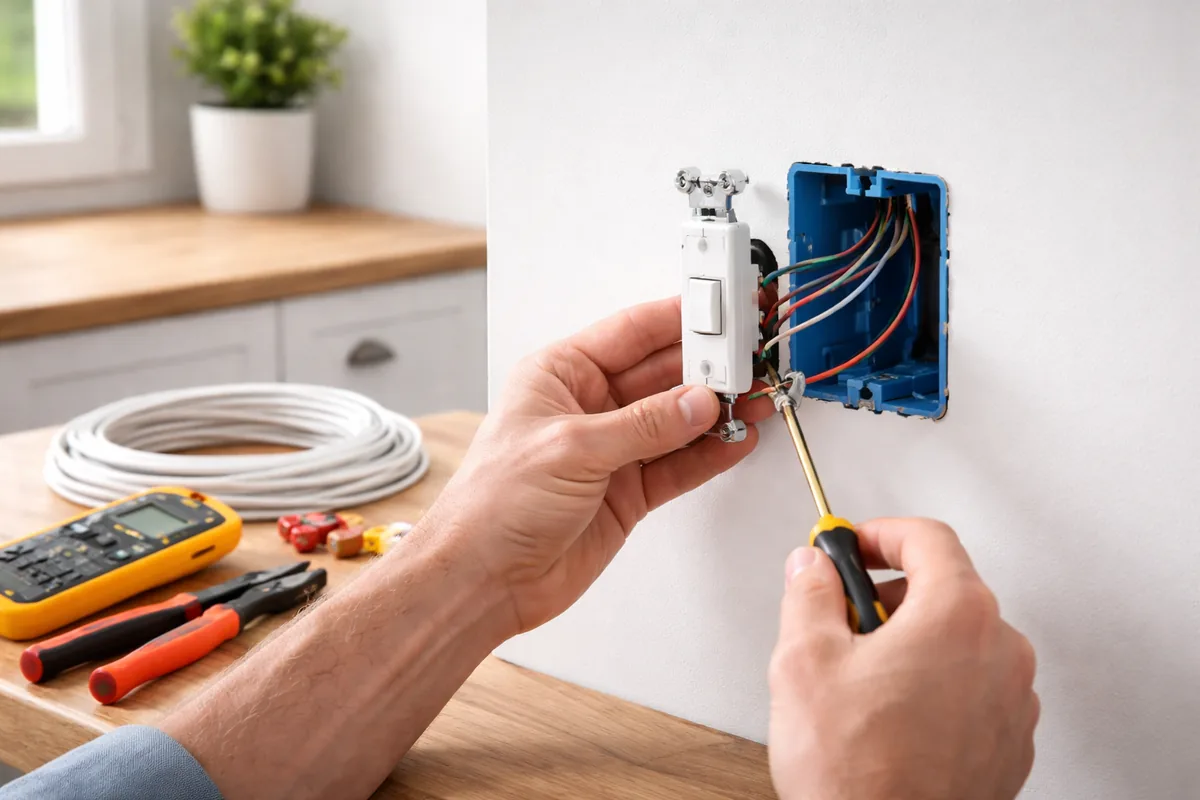
Examine the light switches associated with the flickering lights. Look for any signs of wear, such as loose connections or burned contacts. You may need to remove the switch cover and inspect the wiring to ensure all connections are tight and without corrosion. If issues are found, consider replacing the switch.
3. Analyze voltage levels
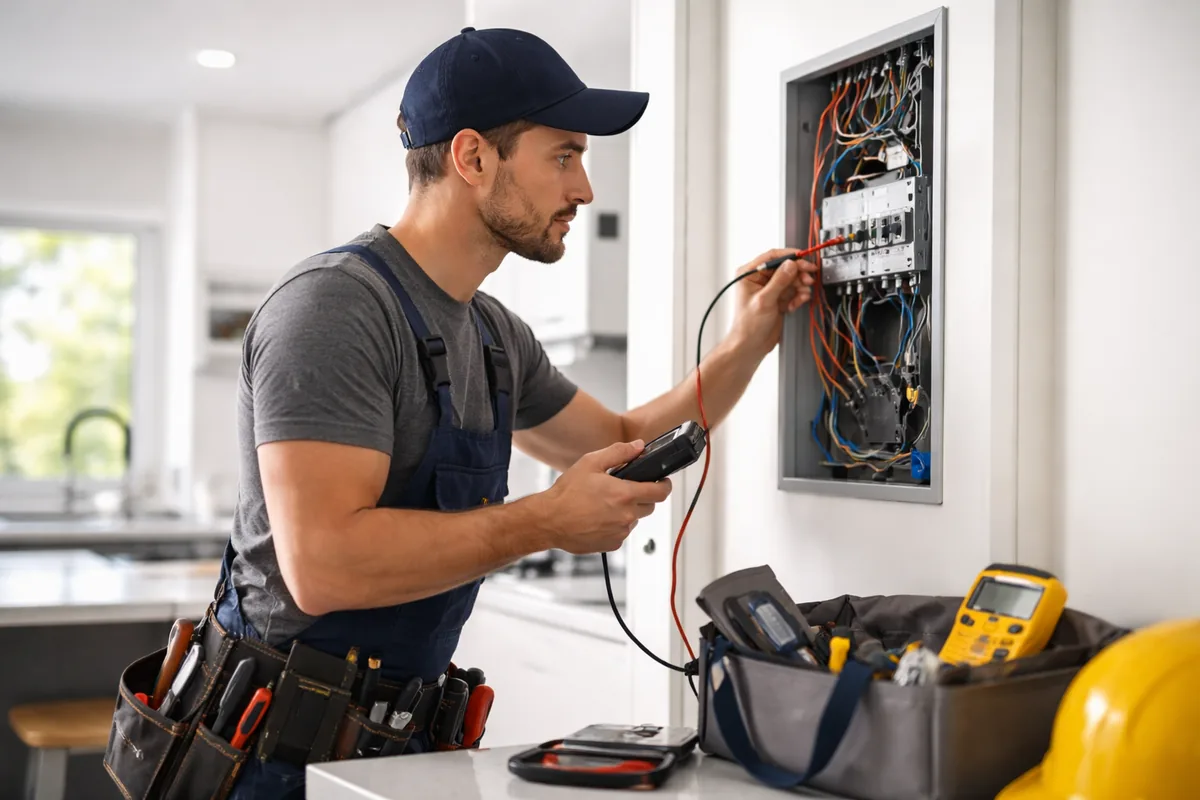
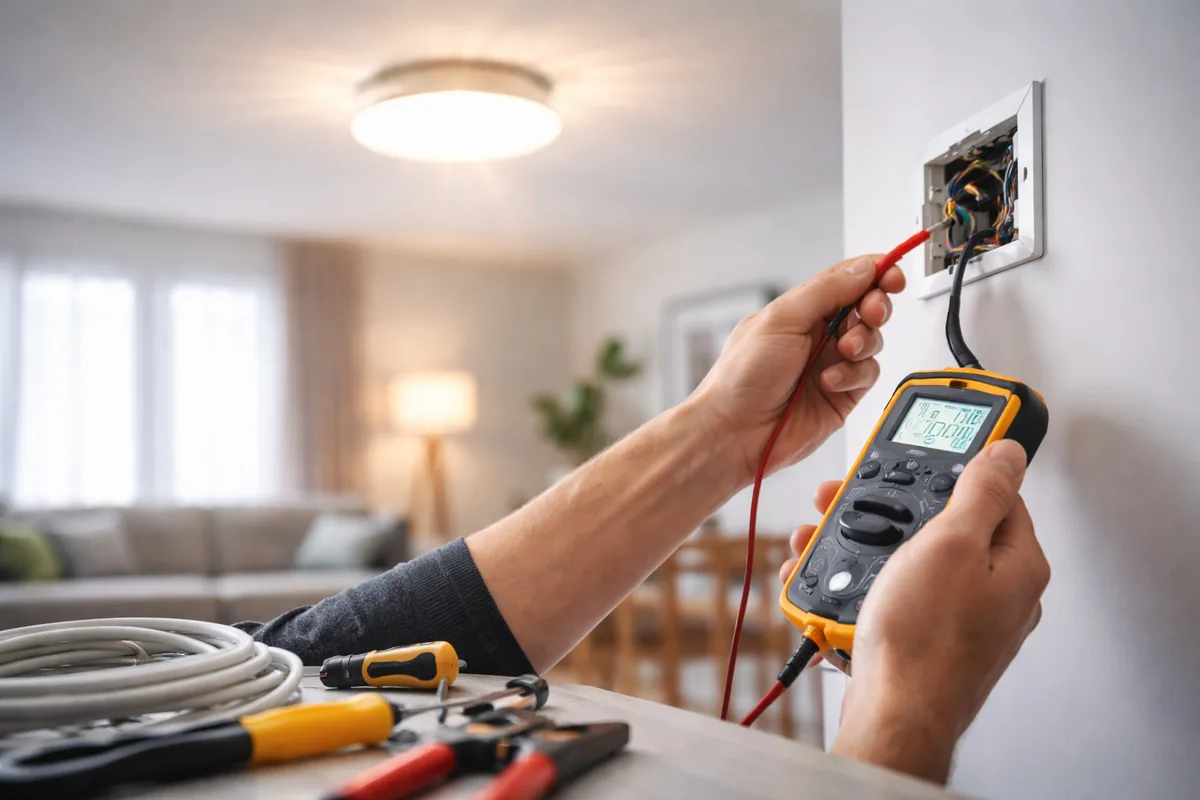
Fluctuating voltage can come from external power sources or internal issues. Use a multimeter to measure the voltage at several outlets in your home. Voltage should be steady at approximately 120 volts. If you notice significant variations, you might need to contact your utility company or an electrician to inspect the incoming lines.
4. Evaluate circuit load
Evaluate the circuit that powers the flickering lights. Check what appliances or devices are drawing power from the same circuit. If the cumulative wattage exceeds the circuit’s capacity, which is typically 15 or 20 amps for general-purpose circuits, it can lead to flickering. Remove unnecessary devices from the circuit or redistribute them to other circuits.
5. Consider hiring a professional
If the flickering persists after performing these checks, consider consulting a licensed electrician. They can perform a comprehensive analysis of your home’s electrical system and identify underlying issues that may not be apparent during your inspection.
When should I be concerned about flickering lights?
Flickering lights can be more than an annoyance; they can signify serious electrical problems. Pay attention to how frequently and under what conditions the flickering occurs. It is particularly concerning if:
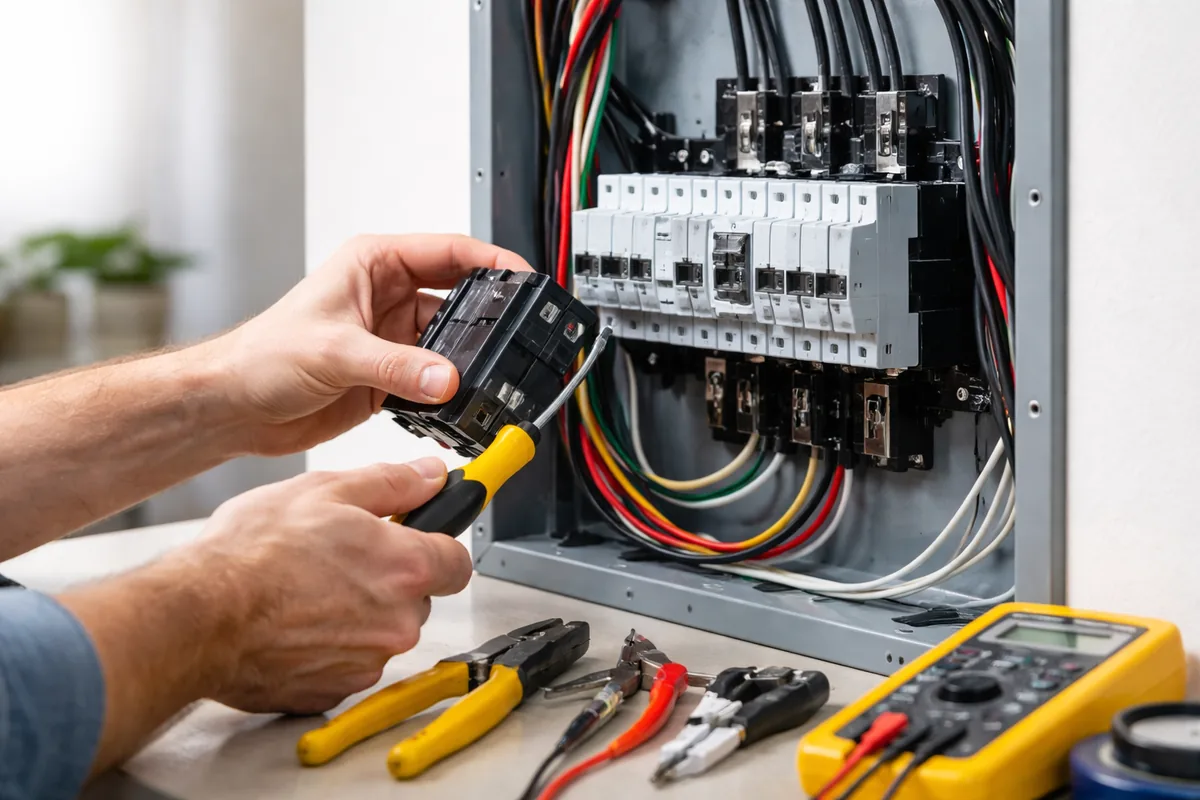
- Multiple fixtures flicker simultaneously, indicating a potential problem with your electrical panel.
- The flickering is accompanied by a buzzing noise, which could suggest overheating or faulty wiring.
- There are signs of burning or smoke near switches or outlets.
If you notice any of these warning signs, it’s time to contact a professional immediately.
Preventative measures to minimize flickering lights
Regular maintenance can help keep your electrical system in good working order and minimize flickering. Consider the following preventative measures:
- Conduct periodic inspections of your switches, outlets, and light fixtures to ensure everything is secure and functional.
- Replace older bulbs with energy-efficient LED options to reduce voltage draw.
- Ensure your home’s electrical system is up to code and capable of handling your household’s electrical needs. Upgrading old wiring may be necessary.
- Limit the use of extension cords and multi-plug adapters on a single circuit to avoid overload.
Understanding electrical systems and flickering lights
Understanding how your home’s electrical system works can also aid in troubleshooting flickering lights. The circuits in your home divide electrical loads among various components, including your appliances and lighting. If one component draws more power than the circuit can supply, it can result in flickering lights or potential outages. A properly balanced system is essential for optimal performance.
Table of common causes and solutions
| Common cause | Potential solution |
|---|---|
| Loose lightbulb | Tighten or replace the bulb |
| Faulty switch | Replace the malfunctioning switch |
| Voltage fluctuations | Check with your utility company |
| Overloaded circuit | Redistribute electrical load across circuits |
| Old wiring | Upgrade electrical wiring |
FAQ
Why are my lights flickering only when I turn on other appliances?
This often indicates that your circuit is overloaded or that there are issues with the wiring. Check that your appliances are not drawing too much current from a single circuit.
Should I worry if only one light is flickering?
Typically, if only one light is flickering, the issue is localized. Check the bulb and the fixture connections first, but if the problem persists, consider investigating further.
Can a loose connection cause my lights to flicker?
Yes, loose connections in electrical wiring or at the light fixture can definitely cause flickering lights. It’s crucial to make sure all connections are tight and secure.
Is it safe to continue using flickering lights?
While it may seem harmless, flickering lights can be a sign of significant issues that could lead to overheating or electrical fires. It's best to investigate and remedy the situation promptly.
What should I do if I smell burning near a light fixture?
If you detect a burning smell near a light fixture, immediately turn off the power and disconnect the fixture. This is a potential fire hazard and should be evaluated by a qualified electrician without delay.